
The Distinct Regional Dialects Of Latvia (Explained)

Author
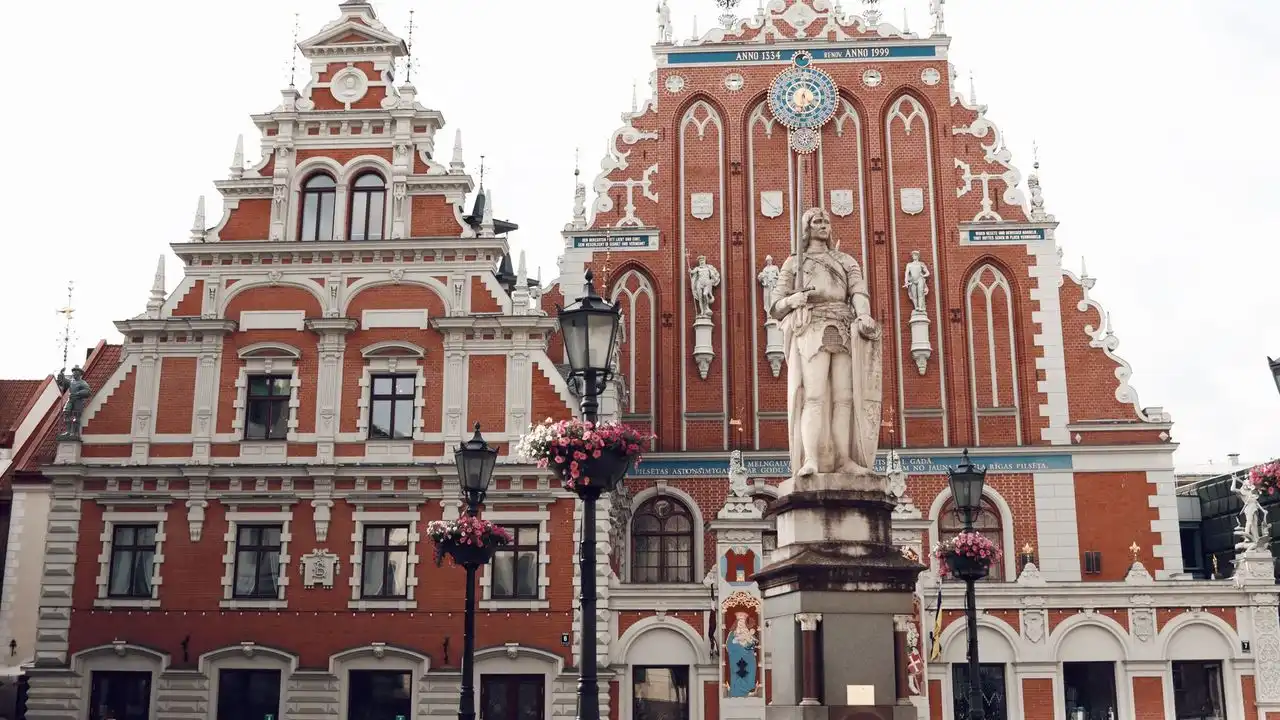
Latvian is a fascinating Baltic language with a rich linguistic history shaped by its distinct regions.
The language is officially divided into three main historical dialects.
These regional variations give us a glimpse into the diverse cultural roots of Latvia.
Understanding these dialects will deeply enrich your Latvian learning journey.
Table of Contents:
The central dialect (vidus dialekts)
The Central dialect is the foundation of the modern standard Latvian language.
It’s historically spoken in the central parts of Latvia.
These central areas include Vidzeme, Zemgale, and southern Kurzeme.
Because it forms the basis of standard Latvian, this is the exact version you’ll hear on the national news.
It’s also the dialect taught in schools and formal language courses.
The Central dialect maintains three distinct syllable intonations.
These three intonations are level, falling, and broken.
Pronunciation in this dialect is considered the most conservative and clear.
The Livonian dialect (lībiskais dialekts)
The Livonian dialect is spoken in the northern parts of Kurzeme and north-western Vidzeme.
It was heavily influenced by the native Livonians.
The Livonians were an indigenous Finno-Ugric people who lived along the Latvian coast.
Their language mixed with Latvian over centuries to create this unique regional accent.
One major characteristic of this dialect is the frequent dropping of short vowel endings.
For example, instead of pronouncing the full standard word, a speaker might entirely drop the final vowel.
Speakers of this dialect also tend to use a uniform, even intonation for all syllables.
Grammatical genders can sometimes become mixed up in this region.
This happens because the ancient Finno-Ugric Livonian language lacked grammatical gender completely.
The High Latvian dialect (augšzemnieku dialekts)
The High Latvian dialect is spoken in the eastern regions of the country.
These eastern regions include Latgale, Selonia, and eastern Vidzeme.
The most famous sub-dialect of this group is known as Latgalian.
Latgalian is so distinct from standard Latvian that many linguists debate whether it’s an entirely separate language.
It even has its own standardized written form and alphabet.
High Latvian preserves many archaic phonetic features from older Baltic languages.
The vowels sound noticeably different from the standard Central dialect.
For example, the broad standard Latvian a often shifts to an o sound in Latgalian.
There’s also a strong Polish and Lithuanian influence in the vocabulary of this region.
Here’s a common greeting spoken in the Latgalian dialect.
Lobs dīns, kai īt?
Cīši labi, paļdis.
Vocabulary differences
The differences between these regions go beyond just accents and pronunciation.
Many everyday words change entirely depending on where you are in Latvia.
Below is a simple comparison of standard Latvian against regional Latgalian equivalents.
| English Meaning | Standard Latvian (Central) | Latgalian (High Latvian) |
|---|---|---|
| House | Māja | Sāta |
| Girl | Meitene | Mārga |
| Boy | Zēns / Puika | Vaics |
| Why | Kāpēc | Parkū |
| Yes | Jā | Nui |
| Very | Ļoti | Cīši |
Learning about these distinct dialects gives you a deeper appreciation for the country.
You don’t need to memorize regional words to speak Latvian fluently.
However, recognizing these regional variations will make traveling through Latvia much more rewarding.